Sunday, September 22, 2019

Keto Diet for Weight Loss and The Macro Calculator

This diet isn’t simply another type of low-carb diet. There are some people who claim it is basically just another repackaging of older weight loss diets. However, that is not actually true. The Atkins diet limits fat, restrict carbs and focuses on consuming lots of protein. The Paleo diet isn’t actually a real low-carb diet but it does restrict certain foods that are high in carbs, especially grains.

On the other hand, the keto diet is very low in carbs and really high in fat. It has been designed so that the human body goes into a ketosis state, where instead of burning glucose for fuel it burns fats.

Technical Aspects

The keto diet promotes a form of ‘pseudo fasting.’ After only 72 to 96 hours of either sticking to a very low-carb diet or fasting, the human body depletes itself of stores of sugars and starch that are immediately available. At that point, it switches to burning fat as its main fuel source. Go to the Keto Calculator Page Here.

A genuine keto diet may limit carbs to a maximum of 20 to 50 grams per day, and they come primarily from non starchy vegetables. Protein needs to be balanced in a way that enough of it is consumed in order to maintain lean body mass, but low enough at the same time to preserve ketosis, since there are certain amino acids that may be converted into glucose that can put a stop to the ketosis state.

After about one week, the human body goes into a full ketosis state that reduces the amount of insulin secretion. Acetyl-CoA is also overproduced which results in ketones being formed such as acetone and beta-hydroxybutyric acid. Ketones can cross into the blood-brain barrier, meaning that it can feed the brain that is normally hungry for glucose but fatty acids cannot be used for fuel.

Side Effects

You should always consult with your doctor prior to making any changes to your exercise or die. The same is true when switching to a keto diet. Many medical professionals fully endorse this diet due to so many people needing to lose weight. One-third of adults are obese, and twice that many people are overweight.

Being overweight can create various risk factors for diseases, injuries, and illness that range from stroke to heart attacks, diabetes, cancer and even premature death at times.

However, although the ketogenic diet can produce great results, and the diet can be fairly easy to stick with, given its focus on macros and approach, it isn’t always too enjoyable to get started. Those who follow this type of diet should commit to a minimum of three months to see how it goes for them since it can take four to five weeks to really settle into the routine of a new diet plan.

The human body undergoes some drastic changes that can be uncomfortable if they are done too fast. There is one common side effect that is referred to as ‘keto flu. It can result in a combination of symptoms that include fatigue, lightheadedness, headaches, constipation, and nausea, due to the body rapidly excreting sodium and the restriction on carbs.
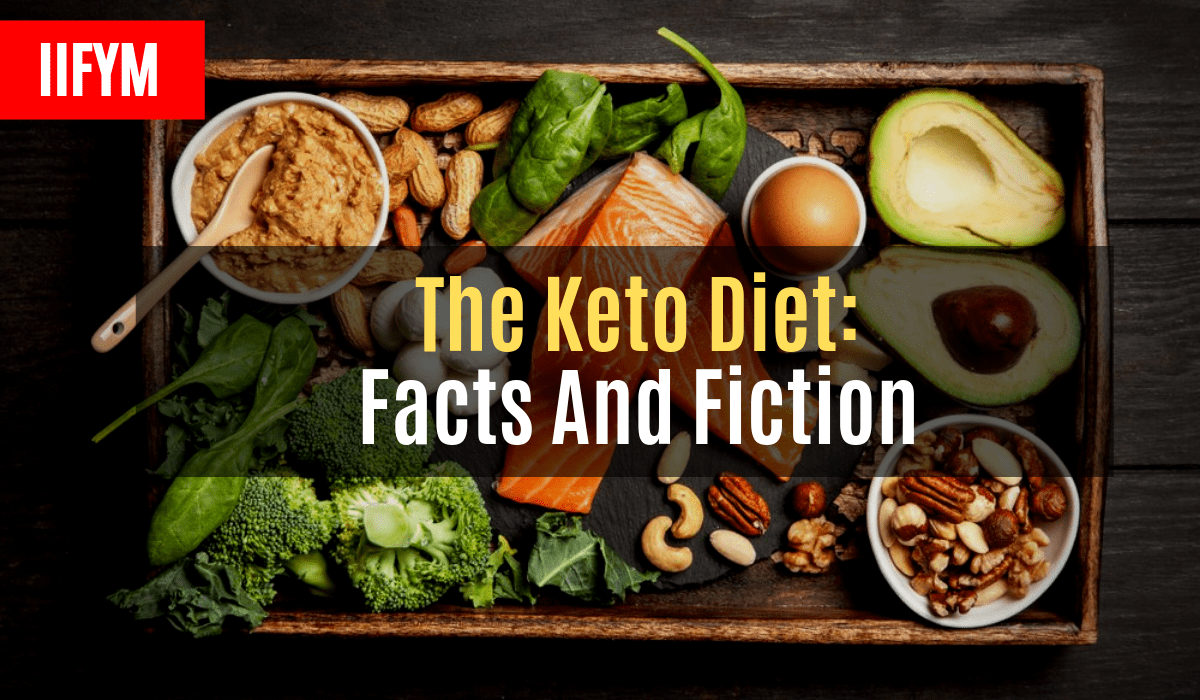
the keto diet facts and fiction

The Keto Diet For Losing Weight And The Macro Breakdowns

When a ketogenic diet is followed, there are some general guidelines that are available to help break down the macronutrients according to certain ratios. Above all, the diet is considered to be low-carb since only around 5 to 10 percent of total calories should come from carbs. A moderate amount of protein should be consumed ranging from 15 to 30 percent of total calories consumed.

The keto diet is extremely high in fat, which 60 to 80 percent of total calories coming from sources of fat. One thing to note is that not all fat sources need to come from animal fats.

Lots of Fat

A majority of your keto diet plan is going to come from fat. Fortunately, there are many delicious ways to incorporate plenty of fat into your diet. Most people love steak and bacon, so you can always start there. Oils like avocado and olive oil are also good sources of fat, along with cream cheese, hard cheeses, butter, and mayonnaise.

Protein For An Added Punch

If you consume too much protein, you may get the amino acids we were discussing earlier that can take you out of the ketosis state. On the other hand, if you get a sufficient amount of protein, you can end up burning muscle tissue in addition to fat. You may even be at risk for heart damage. Another healthy protein source is fish, and tuna in particular, which means you can eat foods like tuna salad and tuna rolls as sources of protein.

For more variety, consider pork and chicken. Beef can be beneficial, and eggs are a very versatile source of protein.

Cracking Down On Carbs

When your body is starved of starches and sugars is causes your body to switch from glucose to fat as its fuel source. So you will need to start avoiding eating foods like white bread, pasta, rice, and potatoes along with sugary drinks and soft drinks. Fortunately, you can still eat things like zucchini noodles, cauliflower, bread, and bagels.

When it comes to fruits and vegetables, you can eat as many leafy greens and broccoli that you want to, along with strawberries, blueberries, and raspberries.

Beverages Are Also Important

The main beverage you should consume most of the time is water. Coffee and tea are also allowed by most keto diets. Unfortunately, milk is not that great due to the act that the human body converts lactose into sugar. Rather than adding milk to your coffee, try using heavy cream, coconut oil, or butter instead. If you drink alcohol, instead of beer, try to drink wine instead.

How To Use A Keto Macro Calculator To Achieve Your Weight Loss Goals

Although it is possible to figure out your macros by hand using a pen and paper, or the calculator on your smartphone, there is an easier and more effective. There is a free online macro calculator that you can use at https://iifym.com/keto-calculator.

There are three main things that this macro calculator can do for you. First of all, it crunches all of the numbers for you automatically. Second, it can help you determine the number of calories you need to meet your weight loss goals.

Third, the calculator will break down the exact macro split of carbs, proteins, and fats that you need to eat on your keto diet to achieve your weight loss goals and ensure that get all of the nutrients that your body needs.

Once you are armed with this information, it will make it easy to stick to your diet, develop your meal plans, and stick to your keto diet to achieve your weight loss goals.

You can be confident knowing that you are applying the right macro split of carbs, proteins, and fats for your individual situation and goals. In turn, that will make it easy to track your macros and total food intake throughout the day. It takes all of the guesswork out of whether or not you are consuming the correct ratios to lose weight, and help you easily achieve a ketosis state and stay there as long as necessary!
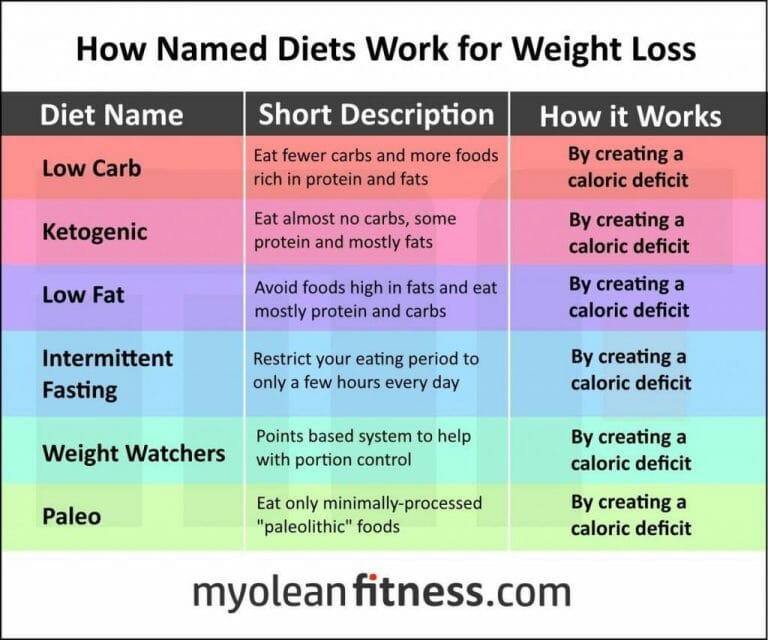
All-Diets-Work-In-The-Exact-Same-Way-They-Cut-Your-Calorie-Intake

Easy and Convenient

The keto macro calculator makes it very easy to figure out your macros and then use this information to apply a keto diet to lose weight. The calculator is also very easy to use. All you need to do is answer some basic questions on factors such as your gender, age, weight, height, exercise level, current eating habits, and your medical background.

The calculator takes all of these factors and more into account when determining your ideal macro splits.

Each of the questions is multiple choice and offers helpful explanations if you are not sure which one to choose. Most of the questions are very easy to answer, and you simply plug in the numbers and you will be provided with your macro splits to use when planning your meals. It really is that easy!

Tools You May Need

Along with knowing which foods you can and cannot eat and the best macro breakdowns for your situation are a great starting point. However, there are other things you might need to really stick with a keto diet over the long term to lose weight.

Having a good food scale is important. Your best option is a high-precision digital model. They can be found online as well as at local retail stores in your area. Find one that is easy to use, affordable, and has great reviews. Keep it in a prominent place in the kitchen so it’s always on hand when you need it.

Another useful resource is keto diet cookbooks. You can get started by seeing if your local library has any books for some free ideas. You can also buy some cookbooks later once you have some experience. The key to staying on a keto diet over the long term is finding easy to make, tasty and nutritious meals.

Conclusion

Following a keto diet to lose weight is a very effective method. Once you understand macronutrients and the science behind them, you will have a good understanding of how the keto diet works.

Fortunately, the free keto macro calculator and other useful tools make it very easy to understand and follow the keto diet so that you can achieve your weight loss goals and eat a well-balanced diet that provides your body with all of the nutrients it needs to stay healthy.

 

Banner_Ad_W728_x_H90

Saturday, September 21, 2019

Rmr Vs Bmr and Calculating Your Macros Effectively

What Is Resting Metabolic Rate?

What is Resting Metabolic Rate (RMR)?

The resting metabolic rate is . The RMR can be calculated by accounting for how many calories your body needs to perform certain basic functions like circulation, and breathing. The RMthe rate at which you body burns energy while at a complete restR is part of your body’s total daily energy expenditure (TDEE), which calculates the total number of calories that you burn a day.

RMR is commonly confused with BMR (basal metabolic rate). Nevertheless, while the RMR describes the number of calories that your body burns while at rest, the basal metabolic rate (BMR) describes the minimum number of calories that your body burns just to stay alive, without any external influences.

As such, the number of calories you consume or burn in any given day is ideally not useful in calculating weight loss, except if you know your RMR, since this number has to be accounted for in the overall equation.

rmr vs bmr calculating your macros effectively

RMR Accuracy and Perspective

While the BMR is a bit ore accurate, the difference is only notable in clinical settings. RMR is not only an accurate estimate of BMR, but also easy to calculate and enough in calculating your daily calorie needs. Of course, everyone’s RMR is different, and is usually influenced by your gender, weight, body composition, and age.

For instance, a person who’s very tall and muscular will require more energy to maintain their body at rest compared to a short, slender person.

Adult men tend to have more muscles and less body fat than women of the same weight and age.

They therefore have a higher metabolic rate. Muscle also has a tendency of decreasing with age, and since it’s a lot more metabolically active compared to fat, more muscle often translates to a higher metabolic rate. Losing muscle means you’ll have a lower metabolic rate and therefore burn less calories at rest.

Overall, the older you get, the lower your RMR will be, unless you can maintain your muscle mass or even increase it albeit slightly. To put it into perspective, if a 30-year-old woman that weighs 130 pounds and is 5’8 tall has an RMR of 1100, this signifies that on any given day, she needs to consume 1100 calories as a baseline to stay level.

One mistake people do is trying to reduce the number of calories they consume a day to below their RMR in an effort to lose weight. However, this doesn’t work – the body enters “starvation mode” where it stores food as fat instead. For this reason, you want to feed your body that minimum RMR, before you even bring physical activity into the equation.

Calculating Resting Metabolic Rate

There are a lot of calorie calculators that can be used to determine your RMR, and then account for your daily activity and daily exercise routine to calculate the number of calories that you burn on a daily basis. Alternatively, you can determine your RMR using an online calculator, doing the math on your own, or going to a lab or gym.

As mentioned earlier, the total amount of calories a person burns in a given day is referred to as the Total Daily Energy Expenditure (TDEE) and this comes from different sources including the RMR, the non-exercise activity thermogenesis (NEAT), thermogenic effect of food (TEF), excess post-exercise oxygen consumption (EPOC), along with exercise (Ex).

TDEE = RMR + NEAT + TEF + EPOC + EX

Both the TEF and the RMR are relatively constant, with minimal fluctuations throughout the day due to muscle conditioning and mass, as well as dietary shifts. The exercise components and NEAT have large fluctuations, and they can greatly influence the total caloric expenditure.

There are two main ways of calculating how many calories a person burns in a day. A relatively accurate but inherently more difficult way is called indirect calorimetry. It uses expired gases to calculate the types and amounts of fuel being utilized.

The easiest way to get your RMR is using a quick and easy RMR calculator. When you search for one online, they should generally give you the same number. What you need to do is provide your height, age, weight, and gender details.

Calculating RMR in a Lab

Some clinics and health clubs do offer metabolic testing to provide you with your RMR. The test usually takes about an hour, and is often combined with testing to establish your caloric needs as well as heart rate targets for exercise.

The most common testing protocols entail having the person wear a mask for about 15 minutes or so while resting. The mask will measure the exchange of gases to determine the number of calories that the body burns while at a complete rest. For exercise testing, you will need to wear the mask while on a bike or treadmill to determine how many calories you can burn while the body is working.

Normal RMR Levels

Once you’ve determined your resting metabolic rate, it’s tempting to want to compare your result with the RMRs of others, perhaps to see if yours is normal. However, each person is unique, so don’t expect your number to match that of your family member or friend.

According to a number of sources, the average RMR for women is about 1400 calories a day, while that of men is just over 1600 calories. However, just because your number is below or above this average doesn’t indicate whether your RMR is normal or not.

Changing your Metabolism to Lose Weight

If you’re looking to lose weight effectively, you need to know your resting metabolic rate along with the total number of calories you burn per day, including your NEAT and exercise. Also keep in mind that the number you get when you calculate your RMR is just an estimate. Whether you go to a gym, a lab, or use an online calculator, the number you get won’t be exact.

This is helpful to know if you’re trying to lose or gain weight.

Some experimentation will come in handy to get your food intake (calories in) to balance out with your metabolism (calories out), in order to reach your end goal. With a good estimate of how many calories your body is burning every day, you can change your daily activity level or your dietary intake to create an energy/calorie deficit.

This way, you’ll be able to achieve permanent weight loss without the risk of damaging your metabolism.

What is BMR (Basal Metabolic Rate)?

Your body needs energy in the form of calories to function normally. Each minute of every day, your body is performing life-sustaining activities. You have to breathe, blink, circulate blood, control body temperature, grow new cells, support brain and nerve activity and contract muscles.

The amount of energy (in the form of calories) that the body needs to function while resting for 24 hours is known as the basal metabolic rate, or BMR. This number of calories reflects how much energy your body requires to support vital body functions if you were resting for an entire day.

You can use IIFYM’s BMR calculator to find your BMR. Here at IIFYMs, we take a different tack.

what is bmr whats my bmr what does it tell you

What is a good BMR rate?

How is PAL calculated?
For men or women:
  1. BEE = 293 − 3.8 × age (years) + 456.4 × height (meters) + 10.12 × weight (kg)
  2. BEE = 247 − 2.67 × age (years) + 401.5 × height (meters) + 8.6 × weight (kg) …
  3. Low active: PA = 1.12, when 1.4 ≤ PAL <1.6.
  4. Very active: PA = 1.54, when 1.9 ≤ PAL <2.5.
  5. Low active: PA = 1.14, when 1.4 ≤ PAL <1.6.

What is a normal BMR What does it tell you?

The amount of energy (in the form of calories) that the body needs to function while resting for 24 hours is known as the basal metabolic rate, or BMR. This number of calories reflects how much energy your body requires to support vital body functions if, hypothetically, you were resting in bed for an entire day.
Banner_Ad_W728_x_H90

Bmr Vs Tdee | What is BMR (Basal Metabolic Rate)?

What is BMR (Basal Metabolic Rate)?

The human body requires a significant amount of energy (i.e. calories) just to function regularly. Each day, your body must breathe, blink, circulate blood, control body temperature, grow new cells, support brain and nerve activity and contract muscles. You can use IIFYM’s BMR calculator to find your BMR.

The amount of energy (in the form of calories) that the body needs to function while resting for 24 hours is known as the basal metabolic rate, or BMR. This number of calories reflects how much energy your body requires to support vital body functions if you were resting for an entire day. It may surprise you to know that your BMR is the single largest component (more than 60 percent) of your total energy burned every day.

While you can’t magically change your BMR right away, knowing your personal number, how it’s calculated, and which factors most influence your metabolism, can help you use your BMR to create a smarter strategy for weight loss (or maintenance).

What is TDEE (Total Daily Energy Expenditure)?

Your total daily energy expenditure (TDEE) is the total number of calories you burn each day. To prevent weight gain, calorie intake (energy intake) must be balanced with energy expenditure. You can use IIFYM’s TDEE calculator to find your TDEE.

You need to understand how your body creates energy in order to understand what energy expenditure is. Your body creates energy in the form of heat to provide fuel for movement and daily functions.

The energy found in food is measured in kilocalories or calories. A kilocalorie is the amount of heat required to raise the temperature of one kilogram of water one degree Celsius. The total number of calories you burn for energy each day is your total daily energy expenditure or TDEE.

Total daily energy expenditure can vary from person to person depending on body size, gender, body composition, genetics, and activity level. The total energy expenditure for a small, sedentary woman may be 1800 calories or less per day. But the TDEE for a large man may be 2000 calories or more.

BMR, TDEE and Weight Loss

  • With the definitions about, it’s easy to see that BMR is a subset of TDEE. Your TDEE is your BMR plus whatever energy you expend during exercise or other activities that burn calories.
  • TDEE is the most important bit of information available to us when trying to gain muscle or burn fat and lose weight, because it represents the total number of calories we burn.
  • To burn fat, we must eat less calories than our TDEE which will force your body to use your stored body fat as fuel, but not less than our BMR which we need to function properly.
  • This is why when counting macros, we always base our calorie intake on our TDEE calculator numbers, and not BMR, like so many misinformed coaches do.

How do I calculate my BMR?

The human body requires a significant amount of energy (i.e. calories) just to function regularly. Each day, your body must breathe, blink, circulate blood, control body temperature, grow new cells, support brain and nerve activity and contract muscles.

The amount of energy (in the form of calories) that the body needs to function while resting for 24 hours is known as the basal metabolic rate, or BMR. This number of calories reflects how much energy your body requires to support vital body functions if you were resting for an entire day. It may surprise you to know that your BMR is the single largest component (more than 60 percent) of your total energy burned every day day.

While you can’t magically change your BMR right away, knowing your personal number, how it’s calculated, and which factors most influence your metabolism, can help you use your BMR to create a smarter strategy for weight loss (or maintenance).

You can use the IIFYM BMR calculator to measure your BMR

BMR: Your Basic Burn

To most accurately calculate BMR, an expert takes measurements of carbon dioxide and oxygen analysis after a subject has fasted for 12 hours and has had eight hours of sleep. However, a rough estimation of this data is possible using the Mifflin-St. Jeor equation, a formula introduced in 1990. Since it’s proven to be more accurate than previous BMR formulas, the Mifflin-St. Jeor equation is now considered the standard when it comes to calculating BMR.

The Equation

For men: BMR = 10 x weight (kg) + 6.25 x height (cm) – 5 x age (years) + 5
For women: BMR = 10 x weight (kg) + 6.25 x height (cm) – 5 x age (years) – 161

You’ll can use your BMR as a rough estimate to set your basic needs. This doesn’t vary too much for a male or female of the same age and body weight.  However, we do need to take into consideration weight, height, age and gender.

Weight and height:

The more mass you have, the more fuel you need to sustain larger organs. This is why heavier and taller people have a higher BMR. When you lose weight, your BMR decreases and you require fewer calories a day. In contrast, when you gain dense, heavier muscle, your BMR increases.

Age:

Metabolic rate decreases as you age because muscle mass declines by five to 10 percent each decade after the age of 30. However, weight training can mitigate that loss in muscle mass. Circuit training that incorporates full-body resistance exercises (like squats, lunges and core work on a balance ball) is great for this. Strength training individual muscle groups in isolation isn’t as effective in strengthening your body for daily movement that always incorporates a mix of muscle groups.

Gender: Since body composition (ratios of lean muscle, bone and fat) differ between men and women, research shows a woman’s BMR is typically around five to 10 percent lower than a man’s.

Banner_Ad_W728_x_H90

6 Best Carb Sources for People with Diabetes

We’re pretty well known around here for boldly proclaiming that sugar is not evil (and we stand by it!), but when you have diabetes, carbs really can seem like the devil.
As a diabetic, you’ve probably been told that a lower carbohydrate diet is your best option… and depending on your source, what “low carb” means varies widely.
Low-carb and Keto diets have come under the spotlight recently and have been recommended in a lot of diet spaces as good options for people with type 2 diabetes.
But, a recent study suggests that low-carb dieting is only effective in the short term and doesn’t provide any value over a high-carb diet in the long run.
While this new research doesn’t mean you should run out and eat a package of Oreos, there are a wide variety of carbohydrates that can be a part of a healthy diet that keeps your blood sugar in check.
Now, when it comes to choosing your carb sources, you need to be careful as some foods are inherently better than others.
But which carbs are better than others? The key to this distinction is the glycemic index.

The Glycemic Index

Foods that contain carbohydrates have a glycemic index. This is the measure of how that individual food impacts your blood sugar levels two hours after ingestion.
The glycemic index can’t 100% accurately predict how a given food is going to impact a person, but it’s a valuable tool to give general recommendations, as well as assess the insulin response burden of a given food across a sample of people.
A carb source with a low glycemic index takes your body more time to break down, so your blood sugar levels will rise and fall gradually.
On the other hand, certain foods have a very high glycemic index. They force a great insulin response from your body, get broken down quickly and usually result in a spike of energy levels, followed by a crash.
The research here is a bit scarce, but the research that is available agrees that eating foods with low to moderate GI is much better for general health and management of diabetes (123).
Without further ado, here are the six best carb sources for people with diabetes.
Best Carb Sources for People with Diabetes

1. Plain Greek Yogurt

We are starting off easy. Although Greek yogurt doesn’t contain tons of carbs, it’s one of the best dairy choices for people with diabetes.
It has been shown to help manage blood sugar levels (12) and some research even suggests that it can reduce the risk of cardiovascular disease (12).
Furthermore, Greek yogurt has been shown to have promising effects on hunger control and body composition (12).
Not only does it provide you with much-needed calcium, but it also contains lots of protein, which helps with satiety and calorie control. Also, each serving of Greek yogurt contains as little as 6 grams of digestible carbs.
Squash Carb Sources

2. Squash

Squash is one of the healthiest fruits out there.
(Or is it a vegetable? I’ll have to get back to you on that.)
It comes in many shapes, sizes, and colors. There are two main varieties:
Winter squash: it has a hard shell and includes butternut squash, spaghetti squash, acorn squash and pumpkin.
Summer squash: it has a soft shell that can be eaten and includes green and yellow zucchini, yellow squash, and pattypan squash.
Both varieties are very healthy and are filled with antioxidants. And although human research is a bit limited so far, animal research is very promising.
In this rodent study, squash extract elicited anti-obesity effects through inhibition of lipid synthesis and acceleration of fatty acid breakdown.
In this human study, the subjects (people with type 2 diabetes) were given an extract of the winter squash Cucurbita Ficifolia experienced a significant decrease in blood glucose levels.
It’s worth pointing out that winter squash generally contains more carbs than summer squash and you need to keep that in mind when adjusting your portions.
Strawberries

3. Strawberries

Strawberries make a great snack. They are delicious, low on calories, and jam-packed with nutrients & only have 50 calories and 11 grams of carbs (3 of which are fiber).
They are filled with antioxidants called anthocyanins (which make them red) which have been shown to keep blood sugar levels stable & to reduce the risk of heart disease in patients with type 2 diabetes (123).

4. Oatmeal

To be clear:
When I say ‘oatmeal,’ I mean the old-fashioned, steel-cut version without the added sugars that are found in the instant packets.
Oatmeal delivers a good amount of fiber, slow-digesting carbs, and protein, making for a great carb source for people with diabetes.
Some research also suggests that oatmeal can lower bad (LDL) cholesterol, reduce blood sugar and insulin response after a meal, reduce the risk of coronary disease, and ward against the development of cancer and atherosclerosis (12).
Here’s an idea for preparing tasty oatmeal:
Mix your oats with some water, berries, and cinnamon in a microwave-friendly bowl. Stir it up nicely and cook in the microwave until the oats soak up the water (usually between 1.5 and 3 minutes).
Take the oatmeal out, let it cool for two to three minutes, add some Greek yogurt and stir again before eating.

5. Sweet Potatoes

Although sweet potatoes don’t differ that much from the white variety, they are digested more slowly which leads to a more gradual rise and a decline in blood sugar levels.
This means that you won’t experience sudden spikes and crashes in energy levels throughout the day.
Sweet potatoes also pack a good amount of fiber in each serving: 4 grams.
But it doesn’t stop there: not only are sweet potatoes tasty and slow-digesting, but they are also jam-packed with vitamin A, vitamin B5, B6, niacin, thiamin, and riboflavin.
Vitamin A is often referred to as an ‘antioxidant powerhouse’ with benefits linked to slower aging, cancer prevention, and good eyesight.
B6 vitamins help break down homocysteine, a substance that has been shown to contribute to the hardening of arteries and blood vessels.
Their orange color comes from the fact that sweet potatoes are high in carotenoids, which have been shown to have beneficial effects on eyesight and lower oxidative stress (12).
.

6. Nuts

Nuts are some of the most nutritious and balanced foods out there. They are filled with fiber, healthy fats, protein, and most have low to moderate amounts of carbs in each serving.
They are also delicious, take longer for the body to break down and absorb, and are excellent for hunger control and weight loss.
Now, people with diabetes (type 2, in particular) are often shown to have chronically elevated levels of insulin. This is not only linked to obesity but is believed to also contribute to the development of other serious diseases such as Alzheimer’s and even cancer (12).
And this is where nuts come in to save the day: Research has shown that regular consumption of nuts can reduce inflammation, keep blood sugar levels in check and lower bad cholesterol levels (123).
Insert Custom HTML

Conclusion

Don’t fall into the low-carb trap just because you heard it might be beneficial for managing your diabetes… make sure you do your research first.
Different carbohydrate sources provide numerous health benefits, you just need to think about what you are eating and note how it affects your body and your blood sugar.
With a little practice, the IIFYM lifestyle can not only help you take control of your nutrition and eating habits, it can also help you manage your diabetes through conscious food choices.
Do you know your macros? If not, take a minute right now to use our free IIFYM Macro Calculator to find out your macro split.

Friday, September 20, 2019

The No-Excuse At-Home Resistance Band Workout

I know what you’re thinking… “Matt, I lift free weights – heavy ones at that.  Why would I do or even consider a resistance band workout?” Well, for many reasons actually.  People like to downplay a resistance band workout or utilizing resistance band exercises in their training as if it’s worthless – it’s not.  And this IIFYM.com article is going to show you why and how to utilize this strategy.

Why YOU Should Use a Resistance Band Workout

There are many reasons you should implement resistance bands into your training program.  The first could be because you are strapped for time and can’t make it to the gym or you’re at home and the weather outside doesn’t make it ideal for traveling to the gym.  Rather than completely skipping your workout, you can utilize resistance band exercises to stimulate muscle fibers. Additionally, resistance bands (even as a set) is extremely compact to the point where you can pack it in your suitcase and take it with you on business trips or vacations.  You have no excuses when you have resistance bands.

Now, be realistic with your expectations here.  You’re not going to have 315 pounds of resistance like you would on a bench press with three wheels on each side.  So, simmer down He-Man. What you are able to do is get an amazing squeeze out of each rep of your resistance band exercises and completely exhaust the muscle and feel a deep burn in the tissue.  

Some resistance band companies sell their products as a set that includes various resistance bands as well as attachments. This allows you to hit your entire body in the privacy of your own home.  If I were to make one suggestion, it would be to find a brand (like Bodylastics) and purchase one of their complete sets based off of your strength level and needs/goals.

Something else to think about is the constant tension you get from resistance band exercises.  If you think about it, there is constant tension on the muscle at all times pushing and pulling on a muscle where you won’t have the ability to “rest” or “relax” during an exercise.  While you may not be utilizing the same weight you use in the gym, a resistance band workout is more than enough to help stimulate muscle growth and help you achieve your fitness and physique goals.

Total Body Resistance Bands Workout You Can Do Anywhere


Click Here To Watch This Video

I’m going to give you a workout program at the end of this article, but if you wanted the trained professionals at IIFYM.com to create an individualized nutrition program for you to help speed up your progress, sign up for their IIFYM Custom Macro Blueprint to get started.

Additionally, if you wanted to set up your own diet, you can use the IIFYM calculators to get the information needed to plan out an IIFYM diet on your own.

Resistance Band Exercises

To start off, let’s look at all of the different resistance band exercises you can do at home.

  • Crunch
  • Twisting Crunch
  • Trunk Rotation
  • Side Bend
  • Various Grip Pull-Down
  • Row
  • Back Fly
  • Straight-Arm Pushdown
  • Chest Press
  • Incline Press
  • Decline Press
  • Chest Fly
  • Squat
  • Leg Extension
  • Leg Curl
  • Deadlift
  • Calf Raise
  • Shoulder Press
  • Side Lateral
  • Front Lateral
  • Bent-Over Rear Lateral
  • Upright Row
  • Biceps Curl
  • Concentration Curl
  • Hammer Curl
  • Triceps Kickback
  • Triceps Pushdown
  • Triceps Extension


And this is only the tip of the iceberg.  You can get creative with your exercise variations as well.  But, as you can see, you can utilize a variety of resistance band exercises to compile a complete resistance band workout.  

You can even take exercises from workout programs you found online or books like the IIFYM Laser Legs book and implement the same program, only using resistance bands to change things up and stimulate the muscle fibers differently.  

The At-Home Resistance Band Workout

For the resistance band workout I’m providing below, complete one exercise after the other without resting in between until you reach the end, then allow yourself a 45-60 second rest period before starting over again.  This style of training is called a “circuit.” It’s where you are continuously moving from one exercise to the next with no rest in between to keep your heart rate elevated and help you burn more calories during your workout.  

For each of the resistance band exercises, complete 10-15 repetitions.  Complete anywhere from two to four complete circuits based on your current fitness level.  Push yourself each workout to achieve more reps or more total circuits. While the program is fairly basic (to allow all fitness levels to utilize it), you can make it more challenging by slowing down your reps to increase the time-under-tension.

*As with any IIFYM exercise plan or IIFYM nutrition program, it is advised that you consult with your doctor prior to ensure you are healthy enough to engage in such a program.

To complete the resistance band workout, the only thing you will need is enough room in your home to complete the exercises safely, as well as your resistance band(s).

Leave a minimum of one day’s rest in between your resistance band workout to allow your body to properly rest and recover.  So, for instance, if you do a workout on Monday, wait until Wednesday at the earliest to complete the workout again (this is assuming you are following the exact full-body workout shown below).  Cardio, on the other hand, can be completed each day (seven days a week) if you wish to do so.

Warm-up before beginning each workout by engaging in some low-intensity cardio such as jumping jacks or walking up and down the stairs for five minutes to get the blood pumping and help get the muscles warmed up.  Once your warm-up is completed, you can move ahead with the workout below.

If you intend on doing cardio the same time you plan on doing your resistance band workout, complete your cardio AFTER you are completely done with your resistance training.

Exercise Reps
Squat 10-15
Deadlift 10-15
Calf Raise 10-15
Pull-Down 10-15
Row 10-15
Chest Press 10-15
Chest Fly 10-15
Shoulder Press 10-15
Side Lateral 10-15
Triceps Pushdown 15-20
Biceps Curl 15-20
Crunch 10-15
Side Bend 10-15


Banner_Ad_W728_x_H90

Thursday, September 19, 2019

Top 10 Healthy Foods For Weight Loss With PCOS

Though it doesn’t get talked about as much as it should, Polycystic Ovary Syndrome (PCOS) is a relatively common hormonal disorder in women of childbearing years that, if left untreated, can lead to problems with fertility and can also make weight loss difficult.
Women who suffer from PCOS have increased levels of androgens, or male hormones, but are also “insulin-resistant,” meaning their cells no longer respond to insulin acting as the “key” to allowing glucose into the cell to be used as fuel.
This glucose remains in the bloodstream, increasing the risk of diabetes, and is eventually converted to stored fat, resulting in obesity.
Losing as little as 10% of your body weight can greatly relieve symptoms of PCOS while also improving insulin sensitivity, allowing for additional weight loss. In general, a high fiber, anti-inflammatory IIFYM diet rich in fruits and vegetables and complex carbohydrates will promote healthy weight loss.

Here are ten foods that can help you with PCOS weight loss:

Healthy Foods For Weight Loss

1. Broccoli, Cauliflower, and Brussels Sprouts

Cruciferous vegetables including broccoli, brussels sprouts, and cauliflower act as estrogen detoxifiers and will help reduce the glycemic load of any meal you pair them with. They balance the sugar load of the meal, allowing available insulin to do its job and convert sugar to energy, not fat.

2. Leafy Green Vegetables

Green vegetables like kale, spinach, lettuce and chard are excellent low-calorie, high fiber, low glycemic index foods packed with essential vitamins and minerals. They improve digestion and nutrient absorption, but most importantly improve glucose regulation and endocrine function.
Beans and Lentils

3. Beans and Lentils

Beans provide fiber, plant-based protein, and iron in as little as one cup. Choose black beans, pinto beans or chickpeas and use them in soups, wraps, or to top your salads.
Sweet Potatoes

4. Sweet Potatoes

White potatoes, especially fried potatoes, are carbohydrate-dense and should be avoided on a PCOS diet. Choose sweet potatoes instead as they are higher in fiber, lower in sugar, and have a lower glycemic index.
Blueberries and Strawberries

5. Blueberries and Strawberries

Blueberries, raspberries, blackberries, strawberries and cranberries are rich sources of immune boosting, cancer-preventing, heart-protecting antioxidants, including polyphenols, flavonoids, and other phytonutrients that fight inflammation.

6. Tomatoes

Tomatoes (and brightly colored bell peppers) are low calorie and also loaded with antioxidant phytonutrients plus a rich assortment of vitamins and minerals. Tomatoes contain carotenoid or lycopene, shown to combat PCOS. Tomatoes provide more lycopene when processed or cooked, as lycopene is released from the tomato’s cell walls.

7. Almonds and Walnuts

Nuts provide protein, fiber, antioxidants, vitamins, and minerals and are a satisfying snack any time of the day. Nuts also supply plant sterols and heart-healthy monounsaturated fats to help lower cholesterol. A study published in the European Journal of Clinical Nutrition, shows that nuts improve insulin, androgens, and cholesterol levels in women with PCOS. When eaten with sweet fruits or other high glycemic foods, nuts and seeds may help lower their glycemic index and improve glucose-insulin response.

8. Eggs

Eggs are an excellent low-calorie protein to include with meals and snacks and provide a variety of nutrients that improve PCOS. The majority of the protein is in egg whites, but don’t discard the yolk as it provides omega 3 fatty acids, iron, folate, thiamin, and essential vitamins. Eggs are also rich in choline, an essential nutrient for pregnancy.

9. Fatty Fish

Omega-3 fatty acids found in fish can help to improve cholesterol and insulin levels in PCOS. Choose fish wisely, though… while high in heart and brain-boosting omega 3 fatty acids, many fatty fish also contain unacceptable levels of mercury. Your best options include sardines and anchovies, herring, mackerel, Pacific salmon and freshwater trout.

10. Olive Oil

Olive oil contains many antioxidants that can lower symptoms of PCOS, especially heart-damaging LDL “bad” cholesterol, without adversely affecting your HDL “good” cholesterol. There is some research that suggests these cholesterol-lowering effects are greater if you choose extra-virgin olive oil. Extra virgin oil is more natural, less processed and contains more heart-healthy antioxidants.

Struggling with PCOS weight loss? We can help.

Forget calorie counting. If you haven’t already calculated your macros with our FREE macro calculator, that’s the best place to start getting your diet on track while eating the foods that you love.

Wednesday, September 18, 2019

Keto Is The Best Weight Loss Diet | Learn Why and How…

Learn Why You Should Use The Keto Diet (And How To Do It!)

The keto diet for weight loss is certainly getting a lot of attention these days, which is interesting considering how it didn’t start out that way. In fact, the ketogenic diet was originally intended as a means of treating serious epilepsy in kids and infants, and then, only under strict medical supervision.

These days, however, the ketogenic diet has moved into mainstream culture as a means for low-carb weight loss, as well as a way to minimize cardiometabolic risk factors.

The-Drawbacks-and-Benefits-of-the-Keto-Diet_blog

What Is The Keto Diet?

The keto diet isn’t just another low-carb diet. Some argue that it’s just another repackaging of the older Atkins and Paleo diets. However, this isn’t really true. Atkins diets restrict carbs while focusing on a lot of protein with limitations on fat. The Paleo diet isn’t truly low-carb, but does put restrictions on some foods rich in carbs, primarily grains.

The keto diet is quite high in fat and really low in carbs. This is designed to put the human body into a state of ketosis, which is where the body burns fat for fuel instead of glucose.

The Technical Points

The ketogenic diet is something that promotes a state of ‘pseudofasting’. After just 72 to 96 hours of either fasting or sticking to a truly low-carb diet, the human body will deplete its immediately available stores of dietary starch and sugars. At this point, it switches over to burning fat for its primary fuel.

Genuine ketogenic diets might limit carbs to no more than 20-50g each day, and they’ll largely come from nonstarchy veggies. Protein must be balanced in a way such that enough is consumed to maintain the lean body mass already present, but also low enough for ketosis to be preserved, since certain amino acids can be converted into glucose that would end the state of ketosis.

After about a week, the body goes into a full state of ketosis that reduces the secretion of insulin. There is also an overproduction of acetyl-CoA resulting in ketones like beta-hydroxybutyric acid and acetone being formed. Ketones are able to cross over the blood-brain barrier, which means that they can feed a brain that is typically hungry for glucose but can’t use fatty acids for its fuel.

Side Effects

As with anything else, you should consult your physician or doctor before making changes to your diet or exercise. Many medical professionals wholeheartedly endorse the ketogenic diet because so many adults need to lose weight. A third of all adults are obese, and twice as many are overweight.

Extra pounds create risk factors for illness, injuries, and disease ranging from cancer and diabetes to heart attacks, stroke, and premature death.

However, while the results can be great and the diet can be somewhat simple to stick to, given its approach and focus on macros, it’s not always fun to start. Those following it should commit to at least three months of it to see how it really goes, since it can take four or five weeks to truly settle into a new diet plan.

The drastic changes inside the human body can also be a bit uncomfortable if done too quickly. A common side effect is jokingly called the ‘keto flu’, which might be a combination of constipation, nausea, headaches, fatigue, and lightheadedness, which might be attributed to restrictions on carbs and rapid sodium excretion.

Keto Diet For Weight Loss Macro Breakdowns

the keto diet facts and fiction

When following a ketogenic diet, there are general guidelines for breaking down the macronutrients in terms of food intake. The diet is firstly considered low-carb, since only about 5 percent of all calories should come from carbs. Protein is consumed moderately, with anywhere from 15 up to 35 percent of all calories coming from this particular macronutrient.

The diet is very high in fat, which 60 to as much as 80 percent of all calories coming from fat sources. Note that fat sources do not all have to be animal fats.

Fats, Fats, Fats

This is where most of your keto diet is going to come from. Fortunately, there are many tasty ways to get a lot of east fat into your diet. Bacon and steak are two things most people love, so start there. Also, look into oils like olive or avocado oil. Mayonnaise, butter, hard cheeses, and cream cheeses are also great sources of fats.

Protein Packs A Needed Punch

If you overdo it on the protein, you might get previously mentioned amino acids that knock you out of ketosis. However, if you don’t get enough protein, you’ll burn muscle tissue along with your fat, and you might even risk heart damage. Fortunately, fish are a great source of healthy protein in most cases, notably tuna, which you can use in things like tuna rolls and tuna salad.

Also, look at chicken and pork for variety. Beef can be helpful, and you can’t ignore the versatility of eggs.

The Carb Crackdown

Starving your body of sugar and starches is what makes it give up on glucose and switch to fat. As such, you have to start avoiding potatoes, rice, pasta, white bread, soft drinks, and all sugary juices. Fortunately, you can go for things like bagels, bread, cauliflower, and zucchini noodles.

In terms of fruits and veggies, you can have all the broccoli and leafy greens you want, as well as raspberries, blueberries, and strawberries.

Beverages Matter Too

Water is the obvious primary option you should drink most of the time. Tea and coffee are also permitted in most keto diets. Milk, sadly, isn’t great, since the lactose is converted into sugar by human bodies. Need some milk in your coffee? Try butter, coconut oil, or heavy cream. If you enjoy alcohol, aim for wine over beer.

Using A Keto Macro Calculator

While it’s possible for you to sit down and work out the numbers with a pen or pencil and paper, along with the calculator function of your smartphone, it’s really not necessary. There is a free keto macro calculator available online at https://iifym.com/keto-calculator.

This calculator does three things for you. First, it makes it much easier to crunch all the numbers. Secondly, it helps you determine how many calories you can have while still meeting your fat loss objectives. Third, it will even break down those calories along the specific keto macro distribution you need.

Once you’re able to do all of this, then you can have the confidence that you’re applying the right macro split for your situation. This, in turn, makes it possible to track both your macros as well as your total food intake all day long. This takes the guesswork out of whether you’re at the proper ratio for losing weight or not, freeing you up to not only get into a state of ketosis, but stay there for as long as you need to!

Making Things Easy

Not only does the calculator make it easy to figure out and then apply the proper keto diet for weight loss, it’s also very simple to use. You just scroll through and answer basic questions about factors like your age, height, gender, weight, current eating patterns, conditioning levels, and medical background.

Each question has multiple choice answers you can choose from, with helpful explanations about which ones you should pick if you’re not sure.

Tools You Might Need

Just knowing your macro breakdown and certain foods you can and can’t have isn’t quite enough. While the free calculator is a great start, there are other things you should consider getting your hands on in order to truly comply with the keto diet for weight loss in the long run.

The first would be a great food scale. A high-precision digital model is best, and you can find them in both local brick-and-mortar retail stores, as well as online. Find something affordable and easy to use with great reviews, and then place it prominently in your kitchen.

Don’t worry about hauling it around when you’re away from home. Just use it for six months at home and you’ll be well on your way to eyeballing portion sizes of nearly everything you eat on a regular basis.

Keto diet cookbooks for weight loss are another great thing to find. Check your local library for some free ideas to get started, find new books online and your neighborhood bookstore, or look for used copies online, at yard and garage sales, or even your local Goodwill store.

Finding dishes that are nutritious, tasty, easy to make, and keto-compliant is the real secret to sticking with this diet for a long time. It’s technically keto-compliant to fill your fridge with dark, leafy greens, bacon, and strawberries, but you know the bacon alone won’t last long.

In Summary

In conclusion, the keto diet for weight loss is a very effective means of losing weight. When you understand the science behind macronutrients, you also understand how this diet works.

Fortunately, online technology and free calculators make this diet very easy to figure out and apply to your current life so you can enjoy the tremendous benefits this eating pattern has to offer you.


Banner_Ad_W728_x_H90