Sunday, June 28, 2020

10 Snacks You *Think* are Healthy… But Aren’t

Health foods have come a long way over the last few years. When it first became “trendy” to buy healthy foods, the pre-packaged products available on the shelves seemed revolutionary.

But times have changed and we’ve since learned that many of those snacks deemed healthy are actually secret sugar bombs.

Here are 10 snacks you think are healthy but actually aren’t.

1. Muesli Bars

Despite the name sounding pretty healthy, most muesli bars are loaded with added sugar and too low in fiber to keep you full for any decent length of time.

If you’re looking for a muesli bar to snack on, be sure to check the ingredients to make sure it’s not a glorified sugar bomb!

2. Energy Bites

The energy you get from these usually comes from the enormous amounts of sugars! Energy bites are another hidden sugar bomb.

When choosing energy bites make sure they’re mostly made of nuts and seeds and sweetened with dates.

3. Trail Mix

Nuts and seeds are a great snack but trail mix tends to be full of dried fruit and chocolate — making it more like a candy than a healthy snack!

Try and stick to plain nuts and seeds to avoid the extra sugar.

4. Salted or Flavored Nuts

While nuts are a great snack, try and stick to plain, unsalted and unflavored nuts. Salted nuts can be high in sodium while flavors like honey-roasted are another unnecessary source of sugar.

5. Protein Bars

Like energy bites, protein bars are often loaded with sugars or artificial sweeteners. They pass as “healthy” because they claim to help you build muscle but don’t be fooled by the label!

Ideally, source your protein from natural sources or make sure your protein supplements are sugar and artificial sweetener free.

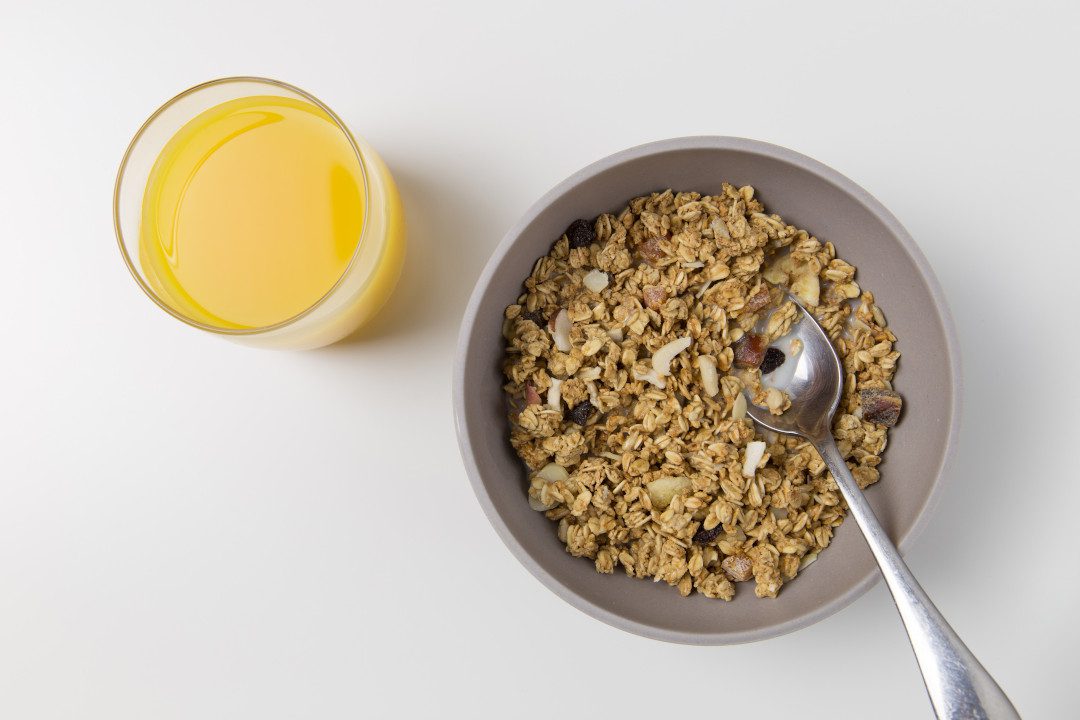
6. Granola

bowl breakfast cereal cereal bowl

Granola has a whopping amount of sugars, making it no better for you than Froot Loops. If you notice a pattern developing here it’s because an enormous amount of pre-packaged “healthy food” is just a minefield of hidden sugars.

7. Popcorn

Microwave popcorn often contains a high level of harmful trans-fats. If you see the words “hydrogenated” or “partially-hydrogenated” in the ingredients list, stay well away!!

8. Dried Fruit

Dried fruit is easy to overeat and lacks the fiber, hydration, and general goodness of fresh. All you’re left with is the fructose. Opt for fresh fruit where you can.

9. Juices

selective focus photography of pure orange juice

When you juice fruit you are removing all the good stuff—all the fiber that your body loves so much. The juice you’re left with is all fructose aka sugar! The lack of fiber means it’s easy to drink copious amounts that you wouldn’t be able to eat in its whole form. Choose smoothies instead to get the goodness of fiber.

10. Smoothie Bowls

Sure, they might be totally insta-worthy, but those trending smoothie bowls you see all over the internet will cost you around 500 calories and 100+ grams of carbs, most of which come straight from sugar. Doesn’t leave you much to play with in your meals for the rest of the day!

The key takeaway here is to watch out for hidden sugars! Most foods that claim to be healthy are actually loaded with sugar. Make sure you read the label and aim for foods with no more than 6 grams of sugar per 100g serving.

To make life super-simple, our meal plans come with a variety of snack options. Get your personalized IIFYM Meal Plan today!


Banner_Ad_W728_x_H90

Friday, June 19, 2020

8 Habits That Are Sabotaging Your Weight Loss

It can be frustrating and distressing to feel you’re doing everything right but still not making progress. The weight loss journey is always going to be a challenge, but there are some easy to fix habits that may be affecting your progress more than you think. These bad habits sneak into your routine without you even realizing it!

Let’s take a look at what these habits might be and how to fix them.

healthy orange juice on grass lawn

Thirsty not hungry

You might mistake being thirsty for being hungry and end up eating food you didn’t need. Make sure you’ve ticked the thirst box with water before ravenously munching everything in sight.

Including a glass of water before or with each meal will help you feel fuller and also aid digestion. Make sure you drink at least a few liters a day to avoid the thirsty, not hungry feeling.

Sugar intake

Eating too much sugar not only hinders progress but will leave you craving more. Sugar is high in calories and will have your energy levels crashing a few hours after consumption.

Sugar can be hiding in foods you didn’t even realize! Make sure you’re checking the labels on everything to see where any bad sugars could be hiding. Just because a food is labeled “healthy” or you’ve always believed it’s healthy, doesn’t mean it won’t have added sugar.

Fruit juices, granola, and sauces are often the main culprits hiding behind a “healthy” image.

Eating too many calories (including healthy food!)

Getting the right amount of calories can be tricky. It’s a fine line between eating enough that you won’t binge later but not eating too many you’re putting on weight.

You might be under the impression that consuming more ‘good’ calories won’t sabotage weight loss. However, this is where many go wrong. While it’s better than consuming lots of ‘bad’ calories, it can still have you gaining weight.

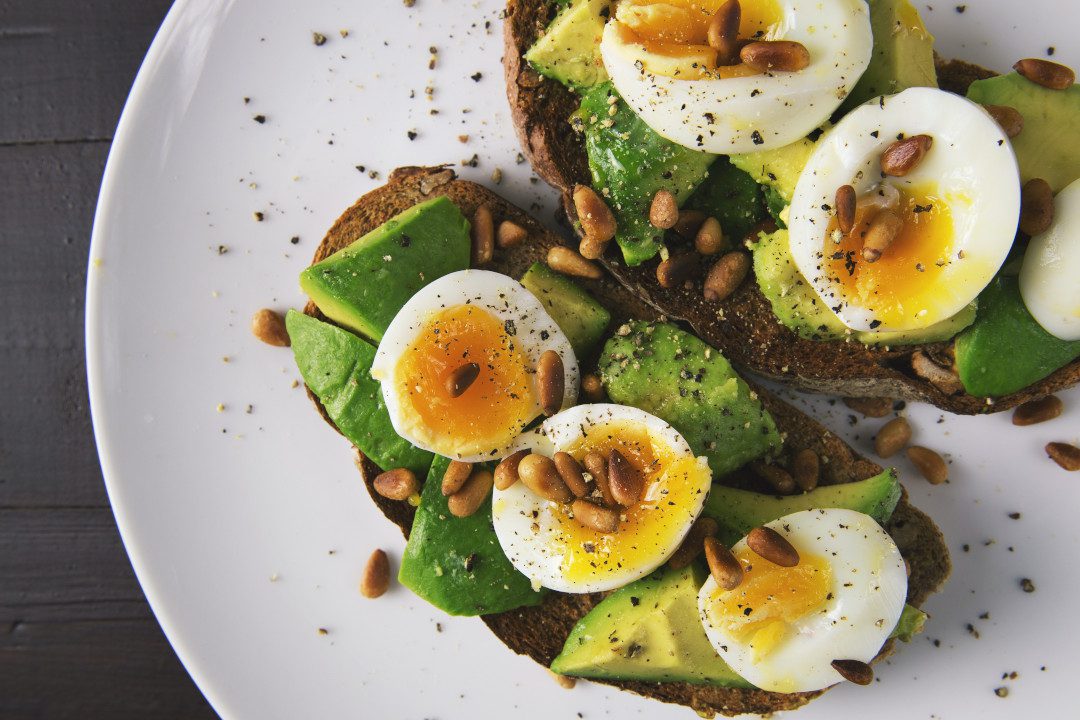
appetizer avocado bread breakfast

Not eating the right macros

Getting too much or too little protein, carbs and fiber can affect your weight loss progress. Too much will have you gaining weight rather than losing it and too little will have you going hungry.

People often make the mistake of dropping carbs completely, this will not leave you feeling satisfied and decrease your metabolism.

If you are working out, not eating enough protein is another common mistake. Protein allows your muscles to recover and also increases your metabolism when eaten in the correct amount.

Work out your unique macro requirements with our world-class macro calculator.

Skipping meals

A big no, in the dieting world! Purposefully skipping a meal that you would usually eat will leave you feeling the need to eat more later.

It doesn’t matter how many meals you eat each day as long as they fit your macros and leave you feeling energized. Make sure your meals are consistent each day, this will help you feel balanced and full for longer.

weight loss scrabble pieces plate

Restricting

Restricting can seem like the best method to get results fast, but it usually leaves you adding all the weight back on. That’s the whole point of IIFYM!

When you stick to your macros but still allow yourself to eat a range of foods you won’t find the need to binge or have cheat days later down the track. This is a key point in the IIFYM Meal Plan which will have you on track in no time.

Consistency

If you stick to the plan and keep it consistent you won’t have any trouble losing weight. Only sticking to the plan a few days a week won’t have you achieving the results you’re after.

You have to commit in order to see results! Also, make sure you aren’t hoping for results too soon. If it’s only been a few days since you started you likely won’t be able to see change, give it a few weeks

Alcohol intake

Generally speaking, alcohol has a high-calorie count. Those who include a glass of wine daily or drink a lot on the weekend may not realize how much it’s affecting your diet.

There’s no problem drinking alcohol if you drop the calories from elsewhere, you just have to make sure you’re counting.

Check out our guide on how to drink alcohol without sabotaging your progress.

alcohol alcoholic bar beverage

How to combat these habits

Once you’re aware of the mistakes you’re making they become easier to fix. An IIFYM Meal Plan will help to keep you on track and hold you accountable. It will provide you with the correct macros and support so you can hit your weight loss goals.

IIFYM Meal Plans allow you to eat whatever you please as long as it fits the macros. This helps you avoid restricting and not eating the correct amount of macros. The plan offers support and regular weigh-ins to keep you on track and consistent. These bad habits that are affecting your weight loss can easily be kicked to the curb with the IIFYM Meal Plan.

Banner_Ad_W728_x_H90

Friday, June 12, 2020

Top 5 Post-Lockdown Fitness Trends

COVID-19 has changed the way we workout. Google searches for terms like “home workouts”, “home gym equipment”, and “HIIT workouts” surged throughout lockdown across the world.

This pandemic has forced trainers and dietitians to change the way they interact with their clients, meaning virtual health and fitness has never been better. Companies offering digital, “business-in-a-box” solutions have been inundated with trainers looking to expand the way they work.

As the world begins to relax lockdown restrictions from country to country, many people have weighed in with their predictions on what this means for fitness post-lockdown.

1. Virtual training

woman in white jacket holding silver iphone

Exercising virtually helps to break down the barriers and fears that some people have about exercising in front of others. The abundance of digital resources that have been available during global lockdown means many people who wouldn’t otherwise exercise, have started to. This is a positive shift for the way we workout moving forward.

“The majority of people have adapted smoothly to virtual training. Armed with no more than a couple of dumbbells, perhaps a kettlebell and some resistance bands, people have been enjoying new ways of training outside of the big lifts,” says George Pearse, Personal Trainer at Fresh Fit London.

Affordability and flexibility are the two biggest advantages of virtual training. Since the sessions aren’t done in-person, you can choose the best time to work out, whether you workout at home or in the gym. You’ll save money too as online training programs cost less per month than most hour-long in-person training sessions.

Our IIFYM Meal Plan and Training Program are entirely app-based, providing you the freedom to take your shopping list with you to the supermarket and your plan to the gym without having to shuffle through endless pieces of paper!

To get your personalized meal plan and customized training program, start with our world-class Macro Calculator to determine your unique macro profile.

2. Exercising for mental health

women practicing yoga

Learning to manage stress and anxiety has become an essential part of wellness during lockdown. Moving your body, whether inside the house or out, is critical to wellness. Looking after your physical health will not only help your immune system stay healthy, but it will help relieve stress and anxiety. It also allows you to maintain a sense of structure and routine during this ever-changing situation.

Breath-focused exercises such as yoga, meditation, tai chi have become increasingly popular. Yoga and meditation are great ways to practice long, slow, deep breaths. Meditation will also help calm you when you’re feeling overwhelmed by anxiety.

“Bodyweight training and running have been people’s favored ways of training these past 7 weeks. Yoga will continue to grow in popularity as people explore new, exciting methods of moving their bodies and calming their minds. Whilst gyms remain closed and social distancing measures stay in place, I can see a rise in the outdoor bootcamp market, as people begin to interact with one another once more.” says George Pearse, Personal Trainer at Fresh Fit London.

3. Group training

women having exercise using dumbbells

We are social beings! Lockdown has highlighted the importance of community and human connection.

Just as virtual training has removed many barriers holding some back from training, lockdown has also given new meaning and value to training with others.

“The lockdown has brought people together into fitness communities like never before and I think there will be a surge in people continuing with group training whether it be online or offline,” says Joe Mitton Personal Trainer at MittFit.

4. Coping without gyms

The closure of gyms has forced us to learn to train from home, using the equipment we already have. This isn’t a bad thing! Knowing how to get a decent workout without relying on the gym is a game-changer for the fitness industry moving forward.

“People will miss the gym, but the fact that they are adjusting so well to having intense, effective workouts at home and outside will change the mindset for many – plus, it will be a while before they feel safe in gyms again,” says Keith McNiven, personal trainer and founder of Right Path Fitness.

5. IG/FB LIVE fitness sessions

Combining the benefits of virtual fitness with group training and a strong sense of community, IG and Facebook LIVE workout sessions have been an excellent tool. Not only to allow trainers to actively engage with their clients but also to foster that feeling of connection with others when we’re feeling socially isolated.

“The rise of Instagram live sessions has seen the public exposed to a huge range of different options,” says Personal Trainer George Pearse, at Fresh Fit London

People have been really keen to keep training, despite the gym being out of bounds. The need to keep moving, even if it’s not exactly like they were doing before. This raises interesting questions on the other side of lockdown – will people want to rush back to the gym floor? The customer is going to be a bit more discerning on the other side.”

Get your own personalized IIFYM Meal Plan and training program and start your virtual wellbeing journey today!


Banner_Ad_W728_x_H90

Friday, May 29, 2020

Are You Getting Enough Vitamin D?

Vitamin D is an essential vitamin for physical and mental health and supporting our immune system. Our main source of vitamin D is obtained by exposing our skin to sunlight, but due to Covid-19, many of us are spending much more time indoors, which may result in a vitamin D deficiency.

However, vitamin D deficiency is very common worldwide, regardless of the current pandemic. In fact, it’s estimated that around 1 billion people have low levels of vitamin D blood levels.

Some individuals are more at risk than others, especially if you have darker skin, are elderly, overweight, or you live in a sun-deprived part of the world (up to 50% of the global population don’t get enough sun).

Other factors include not consuming enough vitamin-D-rich products – such as dairy or fish – staying indoors, or applying sunscreen every time you go out (which is tricky as sunscreen protects your skin from prolonged exposure to harsh UV rays).

Read on for common symptoms of low vitamin D blood levels and how to raise them.

Tell-tale signs you may have a vitamin D deficiency

woman in gray tank top lying on bed

Tiredness

If you constantly feel tired and fatigued during the day, then a low vitamin D blood level may be the cause. Your quality of sleep may also be affected by this.

Anxiety and depression

Although depression is defined as an illness caused by a chemical imbalance in the brain, and a state of mind influenced by various external and internal factors, studies have linked vitamin D deficiency to poor mental health, increased stress and anxiety.

Sick or infected often

Vitamin D helps keep the immune system strong and capable of protecting the body from viruses and bacteria, by interacting with cells that fight infection.

If you’ve been getting sick frequently, then a lack of vitamin D could be a key cause.

Bone loss or pain

Sufficient vitamin D intake is crucial to effective bone metabolism and the absorption of calcium.

There is a correlation between low vitamin D levels and low bone mineral density. Older people tend to have low bone mineral density, due to a loss of calcium and other minerals in bones, putting them at risk of fractures.

Vitamin D also reduces inflammation and thus eases pain and promotes the healing of tissue. Studies suggest it may help and even prevent rheumatoid arthritis and osteoporosis.

Grey hair

Premature greying of hair is often linked to stress and genetic makeup. However, low vitamin D levels may also be a contributing cause.

Dry skin

Dry, itchy skin is another common symptom. Maintaining a healthy level of the vitamin promotes skin cell growth and repair and prevents premature skin aging, according to experts.

Excessive sweating

Sweating more than usual is one of the first signs of vitamin D deficiency. However, it may also be caused by another underlying condition such as hyperhidrosis (excessive sweating).

How to increase your vitamin D blood level

Vitamin D deficiency is generally easy to resolve through simple changes to lifestyle and diet or supplements. The recommended daily intake (RDI) is around 400 to 800 international units (IU), but many experts agree you should get more than that for optimal health.

Here’s how you can absorb more vitamin D daily.

Direct sunlight

The best natural source of vitamin D is, of course, the sun. When skin cells are exposed to direct sunlight, vitamin D is produced through synthesis. Unfortunately, a sunny spot indoors won’t cut it as the UVB rays are blocked by glass.

If you have lighter skin, aim to get at least 10 to 30 minutes of sunlight – preferably midday, when UVB rays are most intense – for optimal vitamin D absorption.

If you have darker skin, you’ll need to spend more time in the sun due to having more melanin, which protects the skin from sun damage, than lighter-skinned people. Anywhere between 30 minutes to three hours daily is recommended for sufficient vitamin D absorption.

But be careful that you don’t burn your skin, as sun damage can rapidly age skin and increase the risk of developing skin cancer.

Foods rich in vitamin D

selective photography of breakfast in plate

Lucky there are plenty of foods that are high in vitamin D to add to your diet. For instance, egg yolks and fish are both excellent sources of vitamin D. In particular, salmon, tuna, herrings and sardines pack the most nutrients – especially if caught in the wild as opposed to being farmed.

Mushrooms are another great source, producing a high level of vitamin D2 – responsible for raising vitamin D blood levels – when grown with plenty of exposure to UV light, which in turn synthesizes the vitamin. Keep an eye out for brands that treat their mushrooms with UV light, however, as many grow their product in the dark and aren’t as rich in vitamins.

Due to the limited sources of natural vitamin D at our disposal, especially if you’re vegetarian or vegan, many products are fortified with this nutrient. These may include cow milk, soy milk, orange juice, and cereals and oatmeal – always check the labels.

Supplements

For those who do not have sufficient access to sunlight or vitamin-D-rich foods, the easiest ways to increase and maintain your vitamin D blood level is by regularly taking supplements.

Vitamin D tablets, capsules or liquids can be taken once a day with food and usually contain up to 1000 IU. This should be plentiful and safe for the average person, considering many experts advise not exceeding 4000 IU due to risk of toxicity.

Cod liver oil is another effective supplement, containing not only vitamin D but vitamin A and omega-3 fatty acids.

Visit your doctor – don’t self-diagnose, ever

If you have any of the symptoms listed in this article, you should visit a doctor – rather than self-diagnosing via the rabbit hole that is the internet. There you will be able to discuss symptoms in-depth, which may be caused by other factors, with a health professional and arrange some blood tests to get precise measurements of your vitamin levels.

To get a meal plan customized specifically for you that’s rich in vitamins and minerals to support your health and wellbeing, check out our IIFYM Meal Plans.


Banner_Ad_W728_x_H90

Friday, May 15, 2020

Top 10 Foods to Boost Your Immune System

These unprecedented times brought about by Covid-19 have been a shock to the system, to say the least. With all this extra time spent indoors, now is the perfect time to make changes to your diet and take extra care of your health.

Easier said than done, of course. However, by adding foods rich in vitamins and minerals to your diet, you can give your immune system a boost to stay well and help fight infection.

Read on for 10 of the best foods that help strengthen your immune system.

Red bell pepper

Vitamin C is the most sought-after vitamin when it comes to fighting common illnesses such as colds, sore throats and flu. This is because it strengthens your immune system by encouraging the production of white blood cells – essential to protecting your body against infection.

Unfortunately, unlike most mammals, we aren’t capable of producing or storing our vitamin C – even though it is essential to our health. Therefore, we need to consume the recommended daily amount: 75 mg for women; 90 mg for men.

Red bell peppers are an excellent source of vitamin C and the perfect alternative for people wanting to avoid sugary fruits.

They also happen to be a delicious vegetable that complements an array of dishes. Our favorites include baked eggs in stuffed peppers; beef or tofu stir-fry; sausage and pepper pasta; and chicken fajitas.

Just remember that stir-frying and roasting are the best ways to preserve a bell pepper’s nutrients; much better than boiling or steaming, according to a study.

Citrus fruits

Most citrus fruits are full of vitamin C. From oranges and grapefruit to lemons and limes; there is plenty of variety for adding citrusy goodness to drinks and meals. A few squeezes a day may keep the doctor away.

Kiwi

Although small, this sweet and tangy fruit packs a ton of flavor and essential nutrients such as folate, potassium, vitamin K, vitamin C. Kiwi also contains antioxidants and fiber.

Broccoli

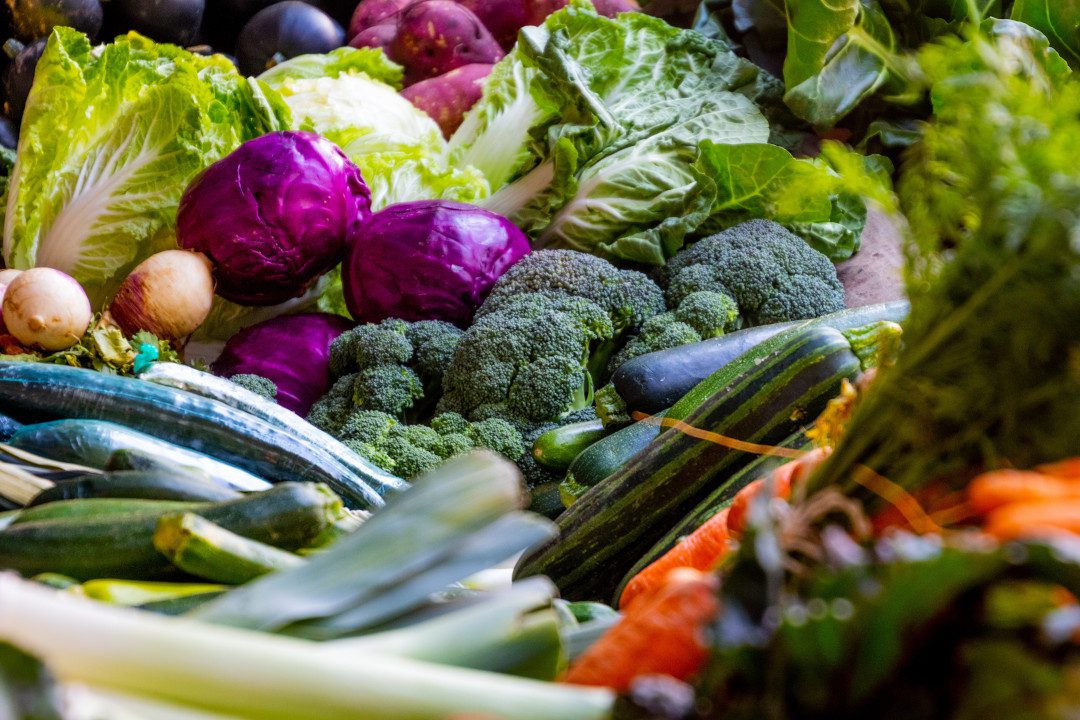
assorted vegetable lot
We know, you’ve probably heard it all before from your parents – “Eat your broccoli; it’s good for you”. Well, not only is it good for you, it’s easily one of the healthiest vegetables you can eat. Broccoli contains vitamins A, C, and E, along with antioxidants and fiber.

Thankfully it is a staple food for many flavorsome dishes. You can easily add it to rice, noodles, pasta and pastries. But if you want to reap the most benefits from broccoli, steam it or eat it raw.

Garlic

Garlic is one of the most vital ingredients in the kitchen. It is also essential for good health.

Garlic was recognized by early civilizations as an effective home remedy not only for warding off vampires but colds, flu and other infections.

Once chewed, crushed or sliced, garlic produces allicin, a compound believed to strengthen the immune system and fight germs.

Leafy greens

Full of fiber, minerals and vitamins (particularly A, B, C, E, and K) yet low in calories, you can never go wrong with a diet stacked with leafy green vegetables.

Regularly eating leafy greens such as cabbage, collard greens, kale, romaine lettuce and spinach can reduce the risk of heart disease, high blood pressure, obesity and cognitive decline.

This food group is perhaps the easiest and healthiest way to get a bundle of essential vitamins and minerals to boost immunity, physical and mental strength without all the calories.

Nuts and seeds

four brown wooden spoons
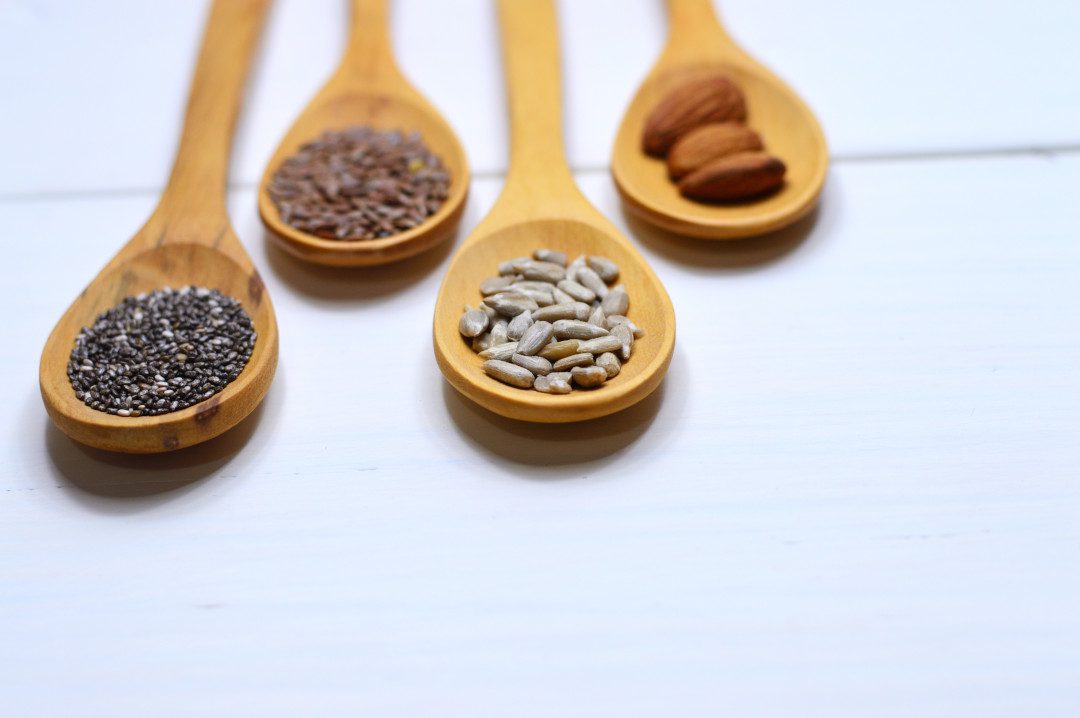
Almonds and sunflower seeds are both loaded with vitamin E, which is essential to maintaining and regulating the function of the immune system. They also contain magnesium which is responsible for regulating muscle function – including the heart muscle – and blood pressure.

Sunflower seeds also have vitamin B6 – vital for optimal health – and are brimming with selenium, a mineral that acts as an antioxidant to protect the immune system.

Ginger

Containing anti-inflammatory and antioxidative properties, many people turn to ginger – especially ginger tea – when down with the cold or flu.

It is also a popular home remedy for relieving arthritis, nausea and inflammation. There is also some evidence to suggest ginger extract may act as an aid in supporting cardiovascular health.

Ginger is great for spicing up your cooking. Try it in stir-fries, baking, soup, or fish.

Fish

Oily fish – such as anchovies, mackerel, salmon and tuna – are particularly beneficial to your immune system. They are rich in healthy omega 3 fats, protein, calcium, iron, vitamin D, and zinc.

Try eating fish every week to give your immune system the strength it needs to repair damaged cells.

Dark chocolate

Yes, that’s right, chocolate – more specifically, cocoa – can be great for the immune system. But before you start devouring chocolate treats left, right and center, remember we’re talking about healthy sources of cocoa.

You will want to buy dark chocolate low in unhealthy fats and sugar, but don’t fret – there are plenty of tasty options. Dark chocolate with almonds, peanuts or berries is a treat that will benefit your immune system and taste buds alike. Or you could try baking healthy chocolate coconut balls or dark chocolate almond and blueberry brownies. Be as creative as you like!

Our meal plans incorporate all of these foods into your plan to keep you in optimal health! Get your IIFYM Macro Meal Plan today.


Banner_Ad_W728_x_H90

Friday, May 8, 2020

These Incredible IIFYM Transformations Will Shock You!

Let’s be real here, losing weight is HARD! Staying motivated can be a real challenge, and if you’re anything like us, there will be times when you just hit a wall and want to throw in the towel. It’s in those moments that it’s most important to remember your goals and stick with it!

If you’re lacking motivation, what you need is some inspiration to remind you of what you can achieve if you follow your macros. We have compiled three incredible stories of transformation from people who followed IIFYM and built the body of their dreams.

You too can achieve incredible results if you stay focused, eat the right foods to fit your macros and keep your goals in mind.

Tammi
tammi before and after

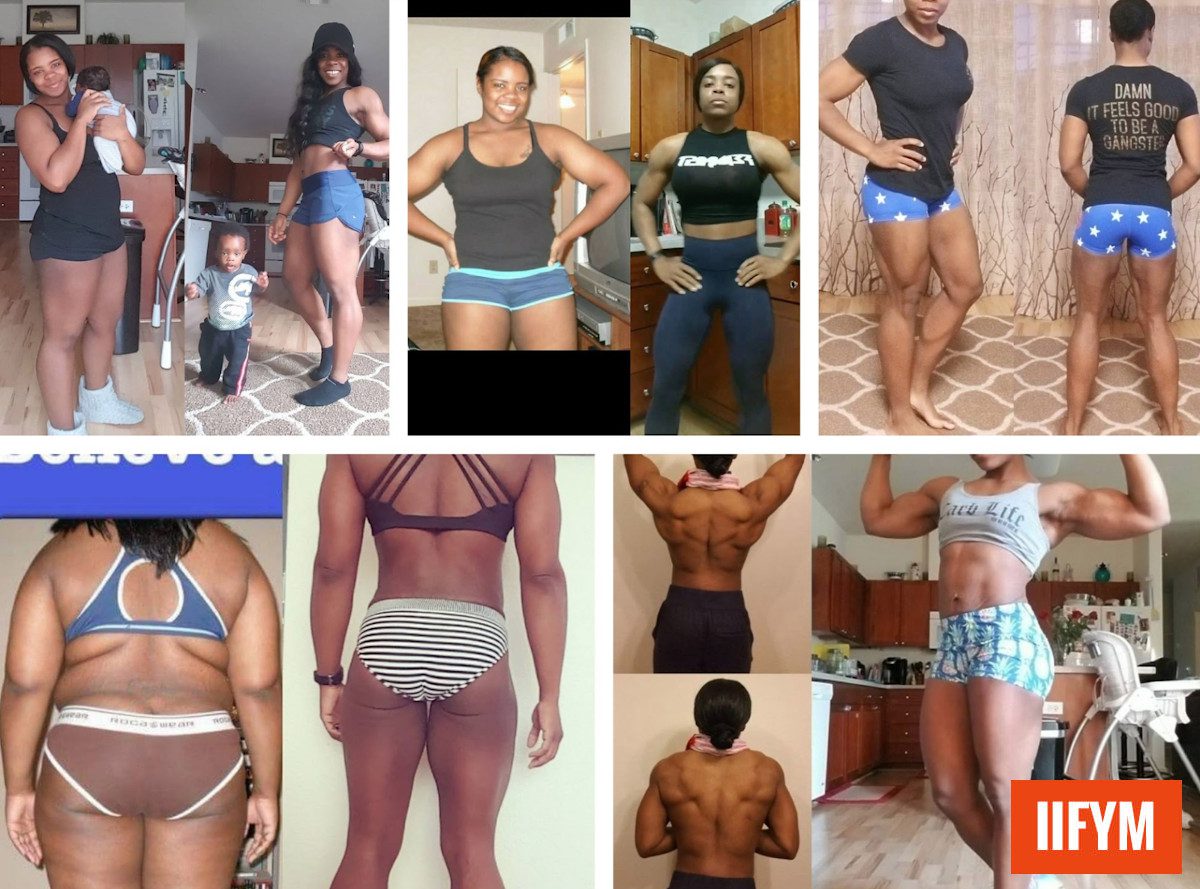
Tammi is married with 2 boys, and she’s a Sergeant in the US Army. In her first year following IIFYM she finally managed to lose the last stubborn 10 lbs she’d gained from pregnancy.

After the initial year of dropping the excess fat, she changed her goals to focus on building muscle and getting as strong as possible.

After battling a food obsession brought on by restrictive dieting, Tammi realized the best way to achieve her goals was through flexible dieting with IIFYM.

“There are no quick-fixes that offer permanent, long-lasting results. It’s a marathon, not a sprint so if you’re just starting out, remember that good things take time! Stick with it and you’ll see results.”

Tammi attributes her success to her unwavering perseverance and commitment. She refuses to let anything get in the way of her goal to remain fit and healthy.

Neil

neil before and after

Neil began his weight-loss journey in the winter of 2013 standing at 5’4” and weighing 235 lbs. Now, he’s over 75 lbs lighter, stronger, and happier than he’s ever been.

In the beginning, Neil tried Keto, Atkins, HCG, and numerous others, only to discover that although he had rapid weight-loss in the beginning, the restrictive lifestyle was not sustainable. He found himself hungry, tired, fatigued, and moody.

“Food was a big part of my life and changing it drastically like that wasn’t going to cut it. So I decided to do it right, I started calculating calories for a few weeks and started to show maintainable results.” This led Neil to discover IIFYM where he realized that “it’s not just a matter of caloric deficit, but also the quality of calories and the balance of macro and micronutrients.

“I haven’t changed my diet or the way I look at food since the day I discovered IIFYM, and it has kept my weight off since.”

Neil is proud of the way he’s turned his life around with the help of IIFYM, “when I started at 235 lbs, I could barely walk. If there was a fire in this room where I am right now, I’d be the first one to get caught in flames. Not because of lack of fire exit, but because I couldn’t even move fast enough. So one of the goals I’ve always kept in the back of my mind is to at least be able to be strong enough to carry my own body. Today, I am proud that I can do hundreds of push-ups, pull-ups, sit-ups, and squats. I’m pretty happy that I no longer carry those thoughts with me as well.”

Neil has three key pieces of advice for anyone just starting out on their macro tracking journey:

1. Understand your limits.

The earlier you understand them, the earlier you can modify and change them. The more that you delay the truth about yourself, the longer it will take you to correct your mistakes. I suggest you be truthful to yourself, accept your flaws honestly, and fix them.

2. Embrace the process.

Nobody really cares about the guy who’s gotten a new car because his dad bought him one. However, a lot of people care about the guy who’s worked hard to earn the same car. People admire hard work. It’s no secret. Do not be too caught up with your goals, no matter how bad you want them to happen. Understand that today, you worked so hard that your heart feels content and that alone should be a feeling of success. Forever hold it in your heart, it is what is going to keep you going – not motivation.

3. Love yourself.

Ultimately, this is a journey for you. Be safe. Take care of yourself. Get enough sleep. Eat well and exercise regularly. Do not bite more than you can chew so you can do this for a long time. You will fail, and that’s okay. You will get hurt, and that’s okay. You will also succeed, and that’s okay. Regardless of the outcome of your journey, you must love yourself.

Valerie
valerie before and after

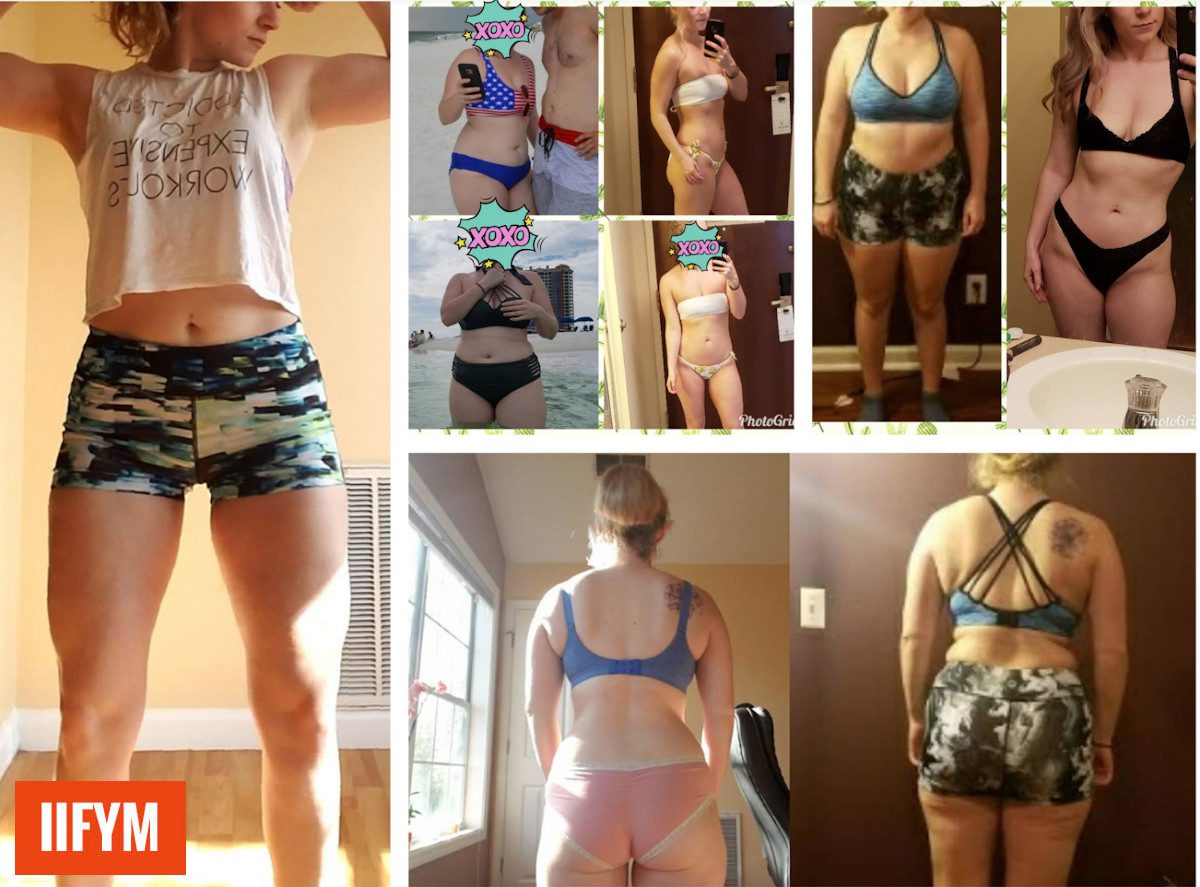
Valerie began her IIFYM journey at 19 when she was feeling stuck and unhappy with her shape. She knew she had to make a change for her future happiness and health.

Valerie says she was initially hesitant to try tracking macros because she thought it sounded daunting and complicated. But after visiting IIFYM and learning more, she says tracking macros is an incredible way to control your body composition.

Like all of us embarking on a weight-loss journey, her experience has had its ups and downs, but every time she deviates off course, she comes back 10 times stronger!

After finding IIFYM Valerie lost over 30 lbs and is the leanest and fittest she’s ever been in her life.

Valerie says the satisfaction of seeing her body change and grow stronger remains her greatest source of motivation, “Watching my body shape change and realizing that I have full control over my body was a game-changer for me! So many people believe they are not in control of their bodies when they are overweight or out of shape, and it’s empowering when you realize you are. As your self-esteem builds so does the motivation to push forward.”

“The hardest part is beginning, learning, and most of all accepting your mistakes that have lead to your unhappiness. I would tell anyone who is just beginning that they need to take things one day at a time. The hardest part of weight loss and becoming fitter is the patience it requires!

Love yourself every single day, not just when you hit the 20 lbs lost milestone. Enjoy the lifestyle, have fun with it, and learn balance! Accept your bad days or days when you need to indulge and move forward.

The only thing I wish I would have done in hindsight is to start counting macros sooner and not let my fear of misunderstanding the concept of macros prohibit me from reaching my full potential.”

Any of you can achieve results like these! Long-term success is simple, but not easy. You need to focus and commit to sticking to your macros. That means whatever hurdles you may come across, if you’re knocked off course you dust yourself off and get right back on track!

We are so proud of each and every one of you who’ve found long term balance and sustainable weight loss!

We love to hear your success stories so please, continue to share them with us.

Click to join Tammi, Neil and Valerie today, start your personalized IIFYM Macro Meal Plan.
 

Banner_Ad_W728_x_H90

Friday, May 1, 2020

How to Plan Your Meals to Fit Your Macros

Planning your meals can feel overwhelming and downright confusing at times, in terms of measuring caloric intake and ensuring nutritional balance to build muscle and burn fat, especially when you’ve got specific targets to hit.

Fortunately, macro diets are flexible and stress-free because they are not traditional dietary regimes but systems that help you manage your caloric intake.

No foods are off-limits; you can eat whatever you like as long as it fits your macros. It’s a simple, effective and sustainable weight loss method without the needless suffering that comes with strict diets, which are built on starving yourself and eating tasteless meals.

Read on for some tips on planning and preparing meals to fit within your macros.

HOW TO GET STARTED – BASIC TOOLS YOU’LL NEED

Before we get started on your journey, you will need a few things.

First, you’ll want to get your hands on a digital food scale so that you can weigh all your uncooked food.

Next, you should sign up to MyFitnessPal, a free web app that allows you to log all your uncooked food in a virtual diary.

Finally, use the IIFYM Macro Calculator to measure your exact fat loss macros, based on your body and energy levels.

Once you’ve got everything you need, it’s time to get started and prep some meals.

appetizer avocado bread breakfast

HOW TO FIND BALANCE WITH YOUR MEALS – AND ENJOY HUGE RESULTS

A balanced diet is crucial to good health and vitality, so it is important to maintain plenty of variety in your meals while you keep track of your macros. The seven essentials for a balanced diet are carbs, fat, fiber, protein, vitamins, minerals and water.

Remember, you only get out what you put on your plate. An imbalanced diet can contribute to many debilitating issues ranging from chronic fatigue and digestive problems to anxiety, fear, and depression. On the other hand, a balanced diet improves your overall physical and mental wellbeing.

To see massive results, you’ll need to weigh and log everything you eat – that’s right, everything – using the tools mentioned above. It doesn’t matter if you think that piece of fruit is too small or too healthy to be worth weighing; you must track everything you eat in order to be as successful as possible. If you eat it, track it!

Calculating your total daily energy expenditure (TDEE) is another important step to achieving your goal, whether you want to lose weight or gain weight. TDEE represents the total calories we burn daily and is necessary for crafting an effective meal plan. On the surface, this sounds complex, but luckily our IIFYM TDEE Calculator makes the process of calculating your TDEE fast and simple while ensuring absolute precision.

If your goal is to lose weight and melt excess fat, you will want to eat far fewer calories than your body needs daily – between 15% – 20% less is recommended.

Or if you want to gain weight and build muscle mass, it’s recommended you eat 5% – 10% more calories than your TDEE. Preferably you would do this by upping your carb intake, eating foods such as pasta, vegetables, nuts, seeds, whole grains (i.e. brown rice and oats), and whole fruits (i.e. apples, bananas, strawberries).

You can break down your meal prep further by following these steps:

  • Eat at least 0.8 grams of protein per pound of lean body weight (total body weight, less total fat weight)
  • Eat between 0.3 – 0.4 grams of fat per pound of lean body weight.
    • Any remaining calories you have left in your daily total will come from carbs
  • Take in 20-25% of your lean body weight (in grams) in fiber every day (this should be included in your carbohydrate total)
  • Drink 3-4 liters of water per day in addition to any other liquid you consume.
    • The more consistent your sodium and water are, the more stable your weight will be.

You should always eat foods rich in vitamins and minerals (micronutrients) first before filling up on the foods you love. Once you’ve met your daily quota of micronutrients, go for it, but make sure you stay within your personal range of macros. Multivitamins are a great source of micronutrients if you are struggling to get enough through meals – consult a professional first, however.

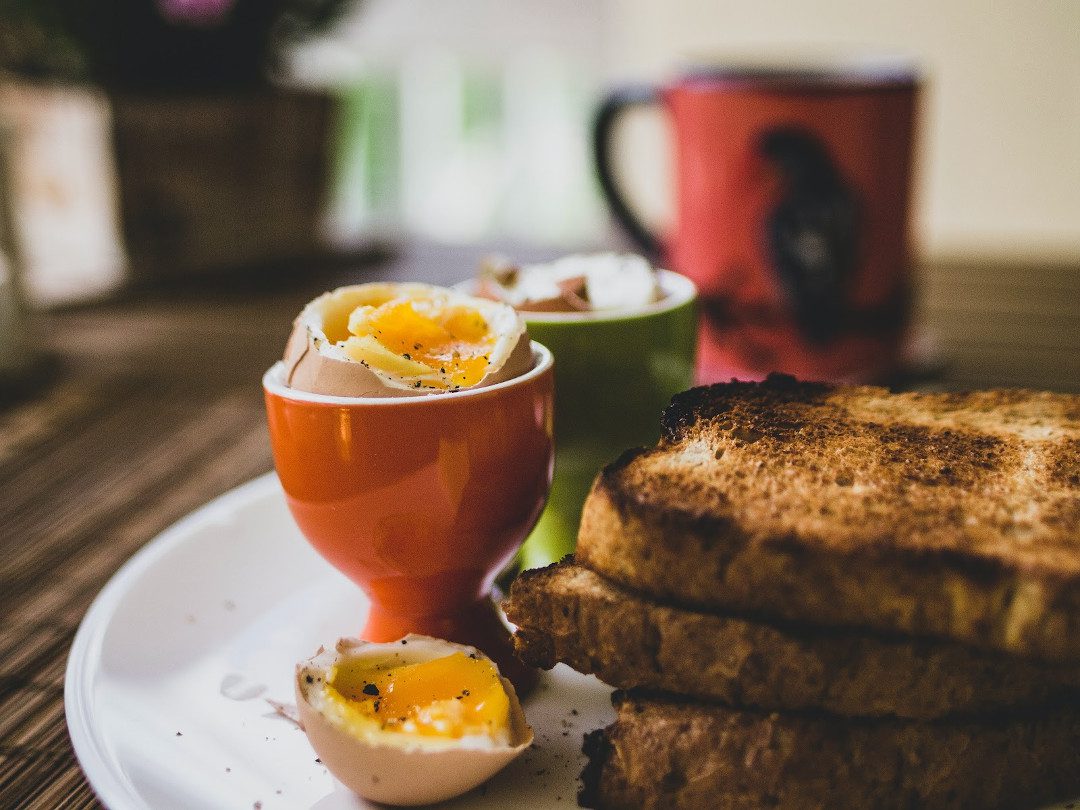
blur breakfast close up dairy product

HOW TO TRACK YOUR MACROS

Thanks to the digital age there are tons of easy ways to keep track of your macros, anywhere, anytime.

MyFitnessPal is a great option for tracking macros. The free web app is user-friendly and very helpful for keeping a virtual diary of your food intake. Log your meals manually or by simply scanning barcodes, save your favorite meals and recipes, and use Quick Tools for swift and reliable food tracking. MyFitnessPal accounts are also compatible with over 50 apps that support healthy living.

Our highly recommended IIFYM Macro Meal Plan options streamline and simplify your journey to greater health. Even if you don’t exercise, if you stay within your macros, you’ll notice the fat falling away – and it will stay off due to our healthy and sustainable approach to everyday living.

Our plan includes a hyper-accurate macro strategy tailored to your personal needs, a customized seven-day macro meal plan, fortnightly weigh-ins to keep track of your progress, and stay up-to-date with your evolving needs, a custom refeed strategy to destroy plateaus, and much more.

You can also opt-in for accountability coaching, giving you access to our coaches to make sure all your questions are answered, and you’re on the right track for success!

Get your personalized IIFYM Macro Meal Plan today.


Banner_Ad_W728_x_H90